Blog > Why Can't You Take Your Low Mortgage Rate With You When You Move?
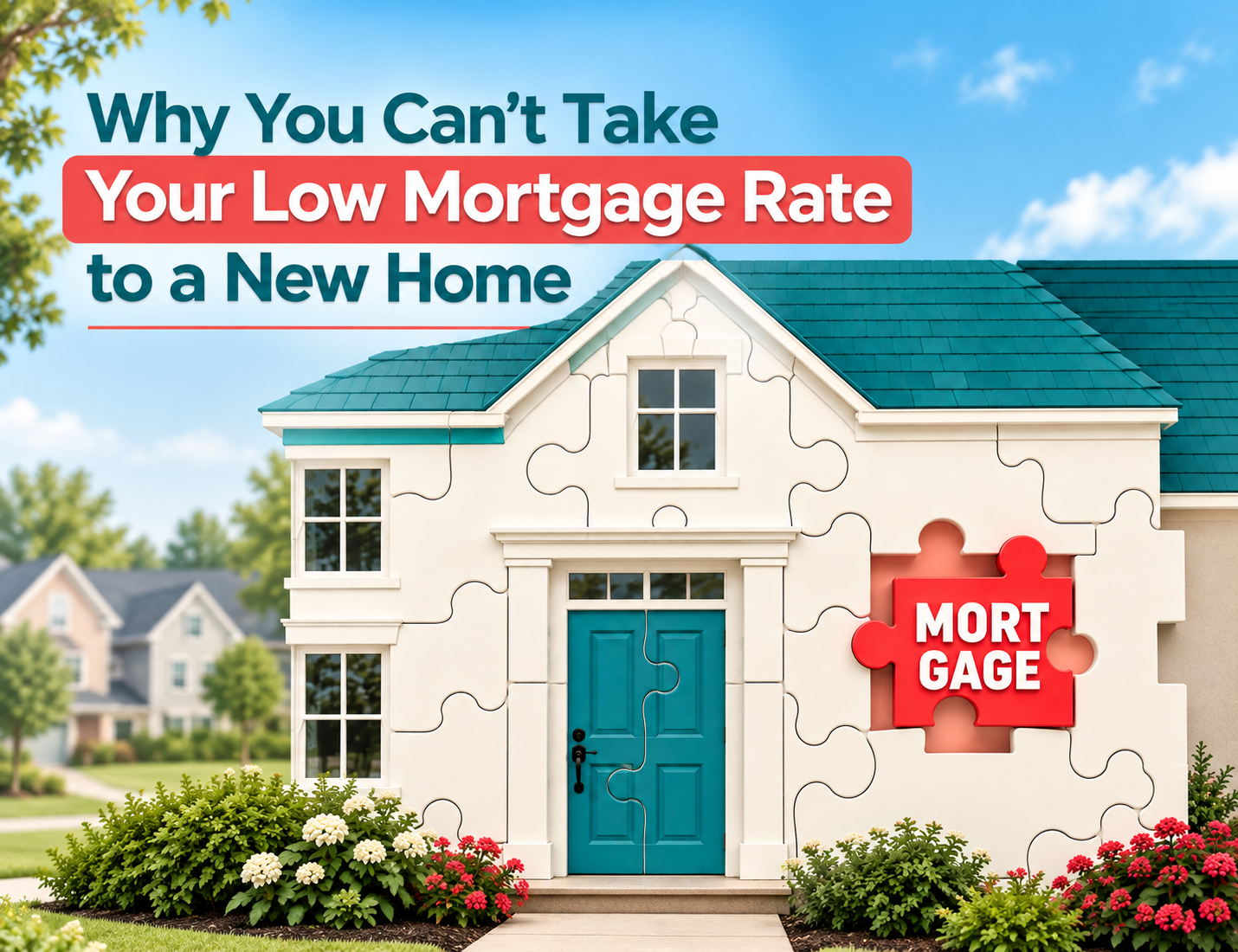
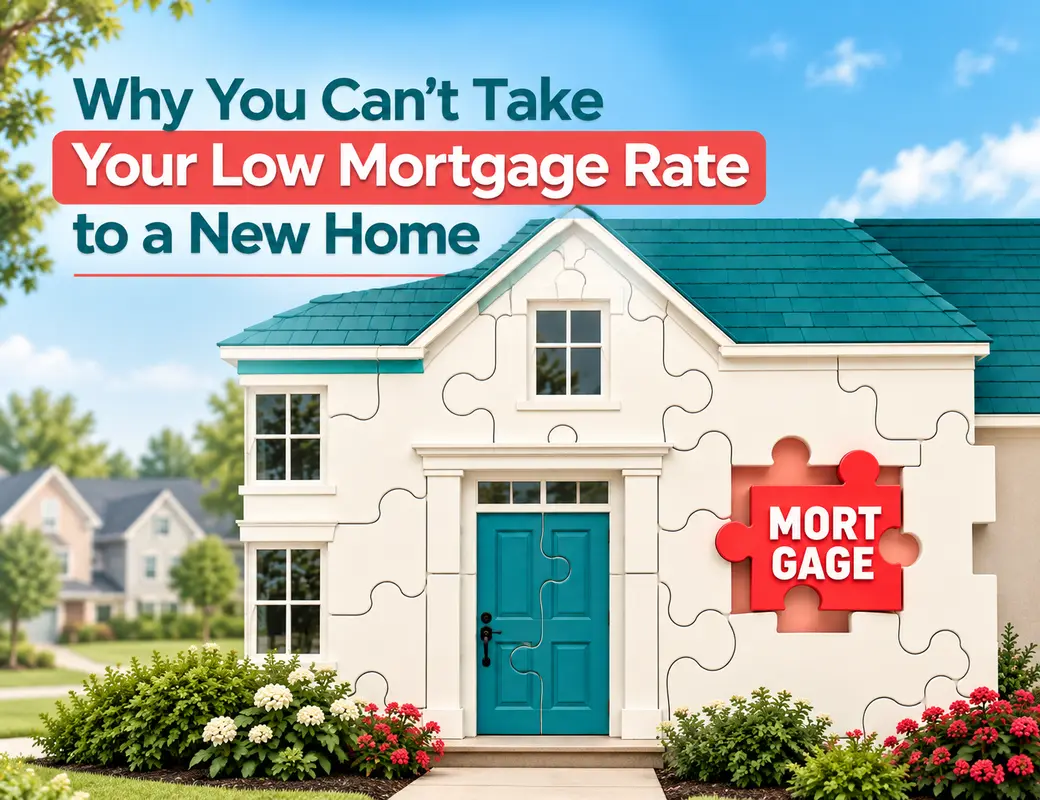
If you locked in a mortgage rate of 3% or 4% a few years ago, you might be wondering why you can't keep that rate when you buy your next home.
It's a question more homeowners are asking as mortgage rates remain higher than they were just a few years ago.
For many homeowners in West Michigan, the decision to move isn't necessarily about finding the right house. It's about giving up a mortgage payment they may never see again.
Now, lawmakers are discussing an idea that could change that: portable mortgages.
The concept sounds simple. Instead of leaving your current mortgage behind when you sell, what if you could take it, along with your low interest rate, to your next home?
While the idea has gained attention in Washington, making it work in the U.S. housing market could be much more difficult than it sounds.
What Is a Portable Mortgage?
A portable mortgage would allow homeowners to transfer their existing mortgage loan, including its interest rate and certain loan terms, from one property to another.
For example, let's say you purchased your home in 2021 and secured a 3% mortgage rate.
Today, you're thinking about selling because you need more space, want to downsize, or would simply prefer a different location.
Under the current mortgage system, selling your home generally means paying off your existing loan. When you purchase another property, you must apply for a new mortgage at today's rates.
With a portable mortgage, you could potentially keep that 3% rate when moving to another home, subject to the lender's requirements.
For homeowners who have been hesitant to move because of higher borrowing costs, that could make a significant difference.
Why Are Lawmakers Talking About Portable Mortgages?
One of the biggest challenges facing today's housing market is something called the mortgage rate lock-in effect.
Many homeowners purchased or refinanced their homes when mortgage rates were historically low.
Now, even if their current home no longer fits their needs, they're reluctant to sell because buying another property could mean taking on a much higher monthly mortgage payment.
This creates a problem for the housing market.
When fewer homeowners list their properties, buyers have fewer homes to choose from. That limited inventory can help keep home prices elevated, even when higher mortgage rates reduce buyer demand.
Supporters of portable mortgages believe allowing homeowners to keep their existing rates could encourage more people to move.
In June 2026, Representative Thomas Kean of New Jersey introduced legislation known as the Making Ownership Viable for Everyone (MOVE) Act, bringing renewed attention to the idea.
However, proposing portable mortgages and making them available to American homeowners are two very different things.
Why Can't You Just Transfer Your Mortgage to Another House?
The biggest obstacle comes down to how mortgages work in the United States.
When you purchase a home, your mortgage is tied to that specific property. The property serves as collateral for the loan.
If you stop making payments, the lender has a legal claim against that property.
But there's another important part of the mortgage system that many homeowners don't realize.
Many mortgages are sold to investors.
Lenders frequently package mortgages together into investments known as mortgage-backed securities.
Investors purchase these securities based on certain expectations, including how long the loans will remain active, when homeowners might refinance, and the likelihood of repayment.
Allowing homeowners to move their mortgages from one property to another would introduce new risks and uncertainties.
For example, the new home might have a different value, condition, or location. A homeowner might also need to borrow additional money to purchase a more expensive property.
Those changes could make existing mortgages more difficult for investors to evaluate.
Some housing economists warn that investors could demand higher returns to compensate for these risks, potentially leading to higher mortgage rates for future borrowers.
In other words, a program designed to make housing more affordable for some homeowners could unintentionally make borrowing more expensive for others.
What If Your Next Home Costs More?
This is another challenge with portable mortgages.
Let's say you currently owe $200,000 on your mortgage at a 3% interest rate.
You decide to sell your home and purchase another property for $400,000.
Even if you could transfer your existing mortgage, you would still need enough money to cover the difference between your remaining loan balance and the cost of the new home.
Depending on your down payment and available equity, that could mean taking out an additional loan at today's interest rates.
You might end up with two different mortgage rates and loan terms.
That could create additional costs and complications for both homeowners and lenders.
Portable mortgages would also need rules addressing property values, loan qualifications, and what happens when someone moves to a less expensive home.
Do Other Countries Allow Portable Mortgages?
Yes. Portable mortgage options exist in countries such as Canada and the United Kingdom.
However, their mortgage systems operate differently from ours.
In the United States, homeowners commonly choose 30-year fixed-rate mortgages, allowing them to maintain the same interest rate for decades.
In Canada and the United Kingdom, mortgage rates are often fixed for shorter periods, with borrowers renewing or refinancing their loans more frequently.
Their lending and mortgage investment systems also differ from those in the United States.
Because of these differences, introducing portable mortgages here would likely require significant changes to the way mortgages are structured, financed, and sold to investors.
What Could Portable Mortgages Mean for West Michigan Homeowners?
For homeowners throughout Grand Rapids, Wayland, Caledonia, Byron Center, Rockford, and surrounding West Michigan communities, portable mortgages could eventually create more flexibility when deciding whether to move.
Think about the homeowners who purchased properties between 2020 and 2022.
Many secured mortgage rates well below today's levels.
Some would love to move into a larger home, relocate closer to family, or downsize into something easier to maintain.
But the thought of trading a 3% mortgage for a significantly higher rate makes them reconsider.
If portable mortgages became widely available, some of these homeowners might feel more comfortable selling.
That could potentially increase the number of homes available for buyers and create more movement throughout the local housing market.
However, there are still plenty of unanswered questions.
Would portable mortgages be available to homeowners with existing loans? Would lenders require borrowers to qualify again? Would additional financing be needed? And would the program actually improve affordability?
Until those details are addressed, it's difficult to know how much of an impact portable mortgages would have on West Michigan real estate.
Should You Wait for Portable Mortgages Before Selling?
Probably not if you already have a reason to move.
Portable mortgages remain a proposal, not a standard financing option available to most American homeowners.
There's no guarantee that legislation will pass, how a future program would work, or whether existing homeowners would qualify.
If you're thinking about selling, it's better to evaluate your options based on what's available today.
That means looking at your current home equity, the potential sale price of your property, your next home's purchase price, and what your new monthly payment might look like.
You may discover that moving is more affordable than you expected, especially if you've built substantial equity in your current home.
On the other hand, the numbers might show that staying put makes more financial sense right now.
Both are worth understanding before making a decision.
The Bottom Line
Portable mortgages are an interesting idea that could help address one of today's biggest housing challenges: homeowners feeling financially stuck because of their low mortgage rates.
But changing the way mortgages work in the United States would be complicated, and there are legitimate concerns about how those changes could affect lenders, investors, and future homebuyers.
For now, portable mortgages are something to watch rather than something homeowners should count on.
Thinking About Selling Your West Michigan Home but Worried About Giving Up Your Low Mortgage Rate?
Before you rule out moving, let's look at the numbers.
I can help you understand what your home may be worth in today's market, how much equity you could have available, and what selling might mean for your next move.
I also offer a Reduced Listing Fee Program with a 1.5% listing-side commission, which may help qualifying sellers keep more of their equity. Any buyer-broker compensation is separate and negotiable.
Whether you're ready to sell or simply curious about your options, I'm happy to help you make an informed decision without any pressure.
Contact Sherie Berry, REALTOR® | eXp Realty
Visit sherieberryrealestate.com to request your free home valuation or learn more about my Reduced Listing Fee Program.